

Bruce Lipton (former US stem cell biologist and now international speaker) recently posted.
“Change your perceptions, change your environment, change your life.”
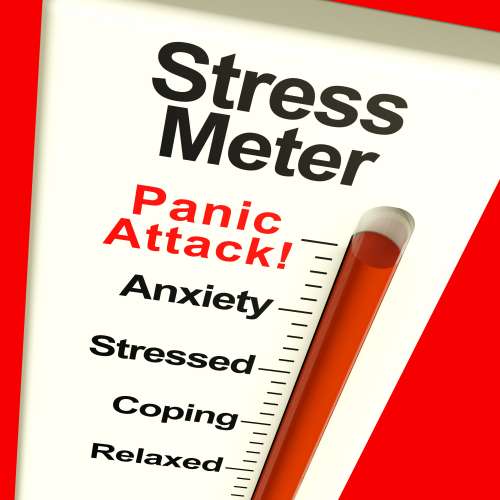
This post very much reminded me of the work I do in my therapy room. I help people change their anxious thought patterns into happy ones.
A lot of us develop unhelpful thought patterns from a very early age. This can lead to both mind & body issues later in life.
As humans it is estimated we have up to 60,000 thoughts per day of which 98% are EXACTLY the same thoughts as we had the day before!
And what’s more, 80% of these are NEGATIVE thoughts so that’s an average of 48,000 negative thoughts a day.
48,000 NEGATIVE THOUGHTS EVERY SINGLE DAY!!
If this was a friend criticising you 48,000 times a day, would you carry on being their friend? Would you distance yourself? Break all ties? Find some friends that are kinder to you? Of course you would.
But you can’t distance yourself or break all ties from you, BUT you can be kinder to yourself.
So change your perception.
And if you change the way you look at things, the things you look at change.
Think anxious = be anxious. Think happy = be happy.
If you would like some help to achieve this, book a call and we’ll see if I can help you too.